Babies and toddlers are born to move to music. Long before they can talk, they bounce, sway and wiggle to a beat. Here are eight easy music and movement games you can play in the lounge room, with what each one helps your little one learn.
Why music and movement matter
Through dance, children explore their bodies, their feelings and the space around them. Moving to music builds balance, coordination and muscle strength, and action songs are especially good for toddlers because they practise using both sides of the body together. Even before they understand the words, little ones can move to the rhythm. And dancing together is a lovely way to connect.
- Clear a space and move anything sharp or wobbly.
- Keep it short and silly. Five minutes of fun beats twenty minutes of instructions.
- Follow their lead. If they invent a move, copy it.
1. Bounce and rhyme Newborn+
Hold your baby securely on your lap or against your chest and gently bounce, sway or rock in time with a nursery rhyme. Try a slow song, then a faster one. For young babies, keep it gentle and support their head and neck.
What they’re learning: rhythm, listening, and feeling safe and close to you.
2. Scarf dance 6 months+
Wave a light scarf to the music: up high, down low, fast and slow. Let your baby grab it, pull it, and play peekaboo behind it. Toddlers can wave their own.
What they’re learning: tracking movement with their eyes, reaching and grasping.
3. The shaker band 6 months+
Give your little one a shaker, maraca or rattle, take one yourself, and shake along to a song. Shake high, shake low, shake fast, then stop. A sealed plastic bottle with rice inside works too (tape the lid on firmly).
What they’re learning: cause and effect, rhythm and early turn-taking.
4. Fast and slow 12 months+
Play music that changes speed, or change it yourself: march fast, then tiptoe slow, then fast again. Say the words “fast” and “slow” as you go. Babies who can’t walk yet can do it in your arms.
What they’re learning: listening, body control and the words for opposites.
5. Freeze dance 18 months+
Dance while the music plays, and freeze like a statue when it stops. Toddlers find the stopping hilarious. Start with long dancing bits and short freezes, and make your own freezes very silly.
What they’re learning: listening, self-control and balance.
6. Copy my move 18 months+
Do a simple move (clap, stomp, spin, touch your nose) and invite your toddler to copy you. Then swap and copy them. Action songs like “Head, Shoulders, Knees and Toes” are the same game with words.
What they’re learning: watching and imitating, body parts and coordination.
7. Animal moves 2 years+
Call out an animal and move like it: stomp like an elephant, hop like a kangaroo, slither like a snake, flap like a bird. Add the sounds too.
What they’re learning: big-muscle movement, imagination and animal names.
8. Video dance party 12 months+
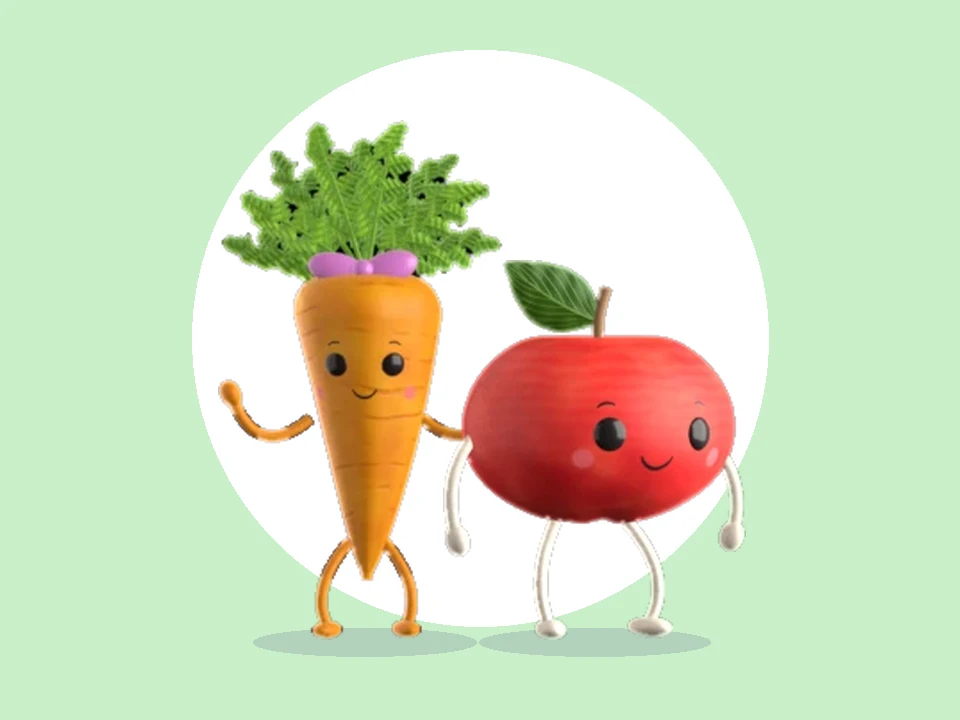
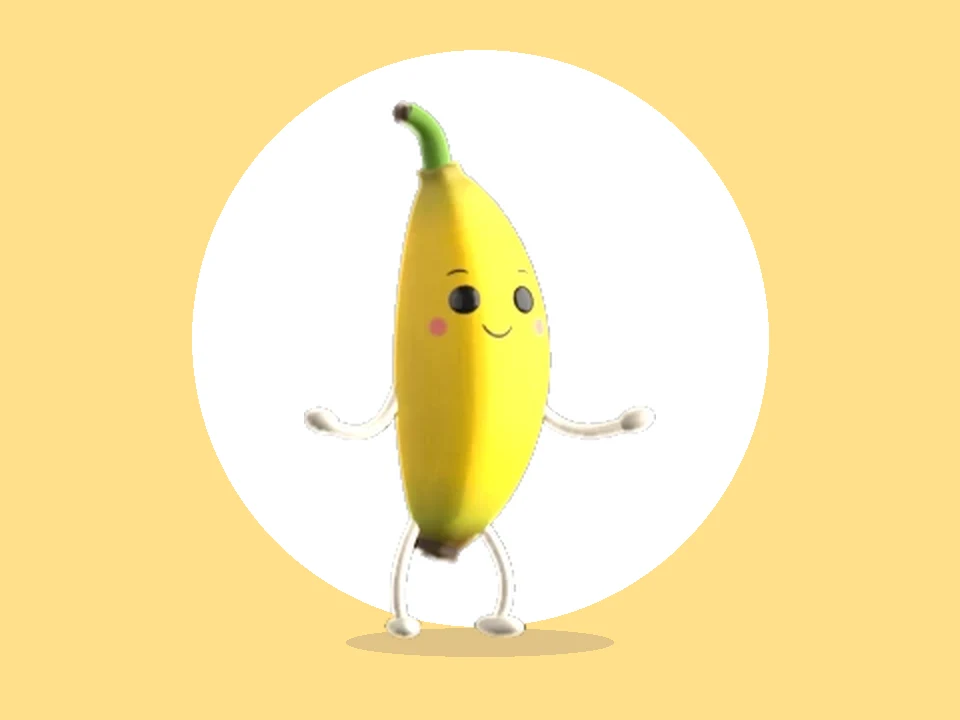
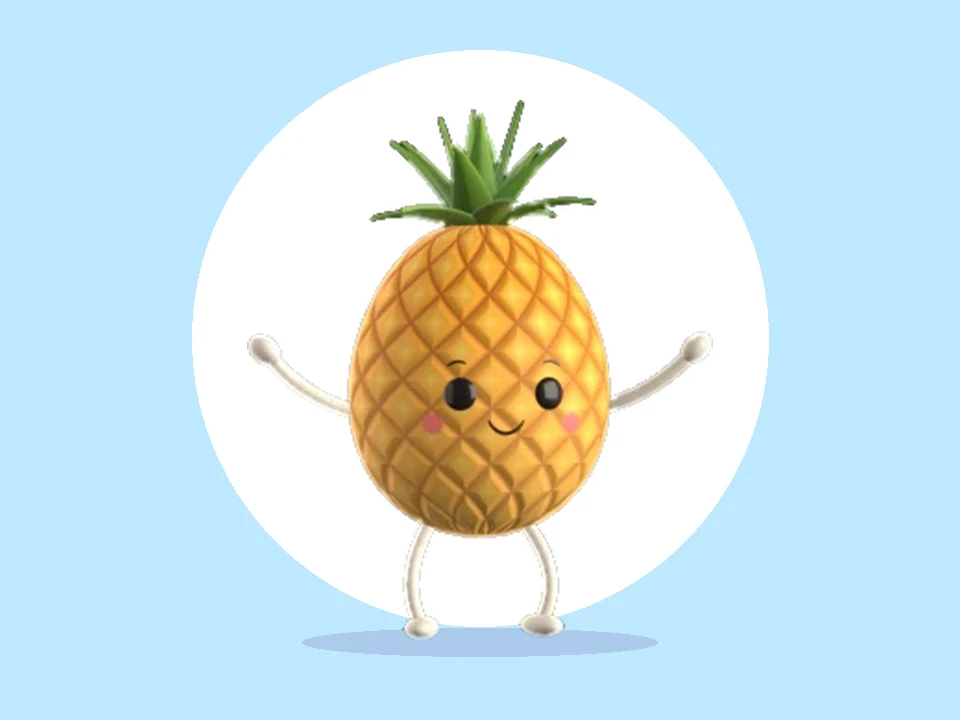
Put on one of our upbeat Best Baby Sensory videos and dance along with the fruit friends together. When the video ends, keep the music going and keep dancing, so the screen is just the warm-up. It’s a lovely way to make screen time active and shared (see our gentle screen-time routine).
What they’re learning: rhythm, joy and moving together.
Music and movement gear we like
How we chose: these are popular, well-reviewed picks on Amazon (we checked Amazon Australia in November 2026). You don’t need any of them, as pots, spoons and tea towels work beautifully. Prices and availability vary by country and change often, so check before you buy.
Baby maracas
The Baby Einstein Shake & Groove Maracas are light and easy to grip, and the Fisher-Price Rattle ’n Rock Maracas are another well-reviewed pick. Both are budget-friendly.

Play scarves
A 15-pack of play scarves costs less than most toys and gets used for dancing, peekaboo, dress-ups and pretend play.
A toddler xylophone
The Fisher-Price Classic Xylophone Pull Toy has almost 25,000 reviews and is a first instrument and a pull-along toy in one.
A rainbow streamer
A rainbow ribbon streamer makes big, beautiful shapes in the air when toddlers twirl it. Use it together, and pack it away after play, because long ribbons aren’t safe to leave with little ones unsupervised.
Sources: Creative development in toddlers (Raising Children Network); Movement play for toddlers (Raising Children Network); The importance of music in the development of toddlers (Playgroup NSW); Play and learning: music, songs and movement (WA Child and Adolescent Health Service).